If you've been turned down for a working capital loan or a line of credit, here's something a lot of business owners never get told: equipment financing is usually easier to qualify for than almost any other type of funding.
Why? Because the loan secures itself. Let me explain.
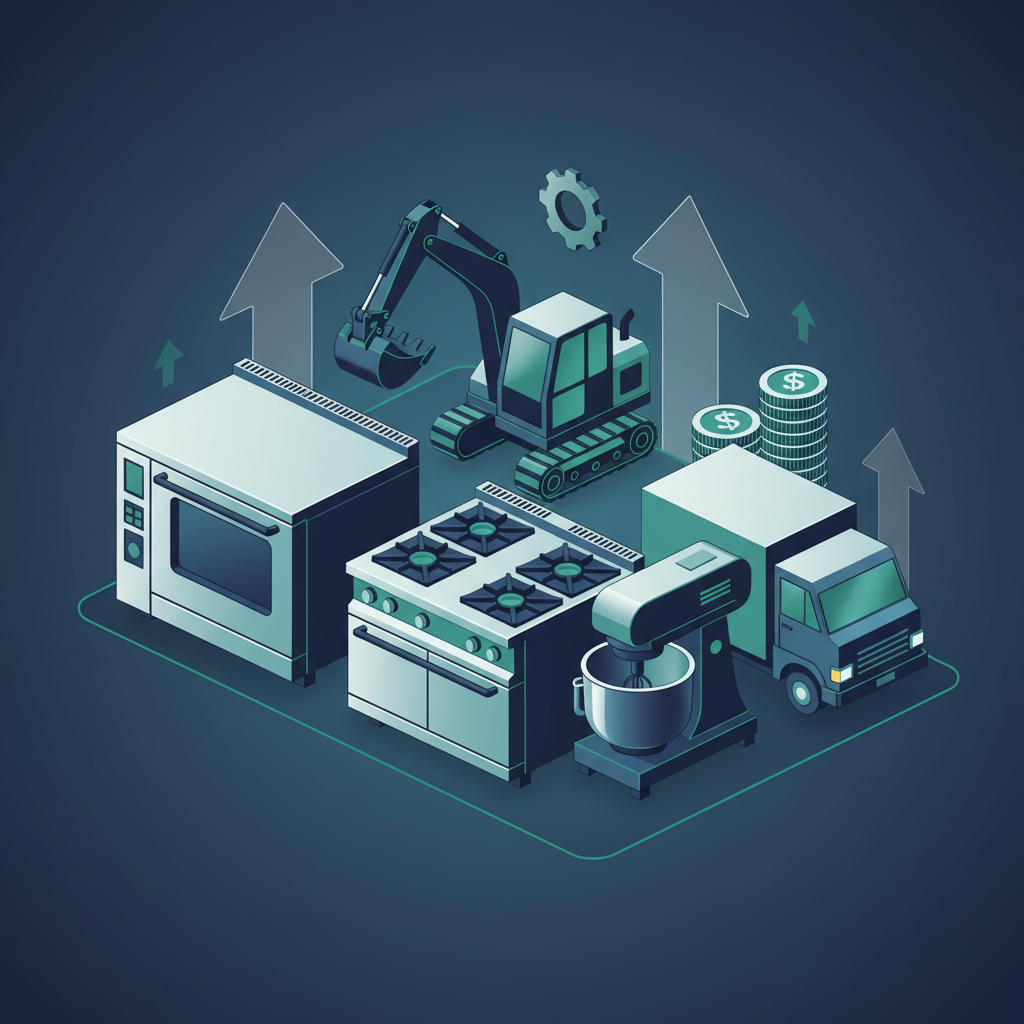
Equipment financing is a loan used specifically to buy business equipment — and the equipment you're buying serves as the collateral for the loan. Trucks, ovens, dental chairs, excavators, POS systems, manufacturing machines, medical devices, refrigeration units. If it's a physical asset your business needs to operate, it can usually be financed.
Because the lender can repossess the equipment if you default, they're taking on less risk. And less risk for them means an easier yes for you — even if your credit isn't perfect or you haven't been in business very long.
The key insight: With most loans, the lender is betting on you. With equipment financing, they're betting on the equipment. That shifts the entire approval equation in your favor.
Most equipment financing covers 80% to 100% of the equipment cost, with terms typically running 2 to 7 years — usually matched to the useful life of the asset. Rates generally land between 6% and 25% depending on your credit, time in business, and the type of equipment.
Here's a simple example. Say you need a $60,000 commercial refrigeration system for your restaurant:
| Detail | Example |
|---|---|
| Equipment cost | $60,000 |
| Down payment (10%) | $6,000 |
| Amount financed | $54,000 |
| Term | 5 years (60 months) |
| Estimated monthly payment | ~$1,075–$1,200 |
Instead of dropping $60K out of pocket and choking your cash flow, you keep your working capital and pay for the equipment as it earns money for you.
Under Section 179 of the IRS tax code, businesses can often deduct the full purchase price of qualifying equipment in the year it's placed in service — even if you financed it. That means you might write off the entire cost of a machine while only having paid a fraction of it that year. Always confirm the specifics with your accountant, but for a lot of owners this turns financing into a genuine tax advantage.
If you need cash for payroll, inventory, marketing, or general operating expenses, equipment financing won't help — it can only be used to purchase equipment. For those needs, a line of credit or working capital loan is the right tool. And if the equipment is cheap and short-lived, paying cash may just be simpler.
Don't drain your bank account to buy a critical piece of equipment, and don't assume a past loan rejection means you're out of options. Equipment financing plays by different rules — and those rules tend to favor the business owner.
At Caply, we run your profile against 50+ lenders at once, including specialized equipment lenders, and show you exactly what you qualify for. One application, no impact to your credit score, and an honest answer about which product actually fits your situation.
One application. 50+ lenders. No impact to your credit score.
Apply Now →Andrew Dillard is the founder & CEO of Caply Smart Business Funding — a lending marketplace connecting small businesses with 50+ lenders across the country. We work with entrepreneurs, restaurants, contractors, healthcare providers, trucking companies, dental offices, landscapers, retailers, and startups.
Caply Smart Funding works with 50+ lending partners to connect small business owners and founders with the right capital at the right time — including those who need to build toward fundability first.
Apply at caplylending.com